

Have you ever caught yourself thinking,
"I'm eating better."
"I'm trying to manage my stress."
"I'm taking the supplements."
"So why do I still feel like myself?"
If that sounds familiar, you're not alone.
It's one of the most common conversations I have with women.
They're doing so many of the "right" things, yet they're still exhausted, overwhelmed, not sleeping well, struggling with mood changes, or simply feeling like something isn't quite right.
Naturally, the mind starts searching for answers.
Maybe it's stress.
Maybe it's hormones.
Maybe it's perimenopause.
Maybe I just need a different supplement.
Before long, you're trying one thing after another, hoping the next recommendation will finally be the one that makes you feel like yourself again.
If you've been there, I want you to know something.
You don't have to figure everything out today.
But you also don't have to keep guessing.
Here's the short answer
The truth is, it could be stress.
It could be hormonal changes.
It could be poor sleep, lifestyle factors, nutritional deficiencies, medication side effects, an underlying medical condition, or a combination of several things.
Our bodies are wonderfully complex.
That's why there often isn't one simple explanation for why you don't feel like yourself.
If your symptoms are new, persistent, worsening, or concerning, it's important to speak with a qualified healthcare professional.
They can help rule out medical conditions and recommend appropriate testing or treatment when needed.
But for many women, even after taking those important steps, there's still one lingering question:
"Why do I still feel off?"
That's where I'd like to shift the conversation.
Why so many women end up guessing
Think about everything you're exposed to in a single week.
One Instagram post tells you it's your hormones.
A podcast says it's your gut.
A friend recommends a supplement that "changed her life."
Another expert says you need to balance your blood sugar.
None of these suggestions are necessarily wrong.
The problem is that they're all general advice.
And general advice can quickly become overwhelming when you're trying to apply it to your unique body.
I've met so many women who have spent hundreds—sometimes thousands—of dollars trying different supplements, diets, wellness programs, and routines.
Not because they enjoy experimenting.
Because they genuinely want to feel better.
Eventually, wellness stops feeling supportive and starts feeling confusing.
Stress and hormones often overlap
One of the biggest misconceptions is thinking it has to be one or the other.
Stress or hormones.
In reality, they often influence each other.
Chronic stress can affect sleep, mood, energy, focus, and appetite. Hormonal changes—especially during perimenopause—can create many of those same experiences.
That's why trying to identify the cause based on one symptom rarely gives you the full picture.
Fatigue, for example, can have many possible contributors.
So can poor sleep.
So can brain fog.
Instead of focusing on one symptom, it can be more helpful to notice patterns.
Ask better questions instead of searching for better guesses
One question I wish more women asked is this:
"What patterns am I noticing?"
Instead of asking,
"What's wrong with me?"
try asking,
When did I first notice these changes?
What seems to make me feel better?
What seems to make me feel worse?
Are my symptoms consistent, or do they come and go?
Have I noticed changes during particularly stressful periods?
Is there anything I've overlooked because I've been focused on finding one simple answer?
These questions won't diagnose anything.
But they can help you become a more informed participant in your own well-being and prepare you for more meaningful conversations with your healthcare provider.
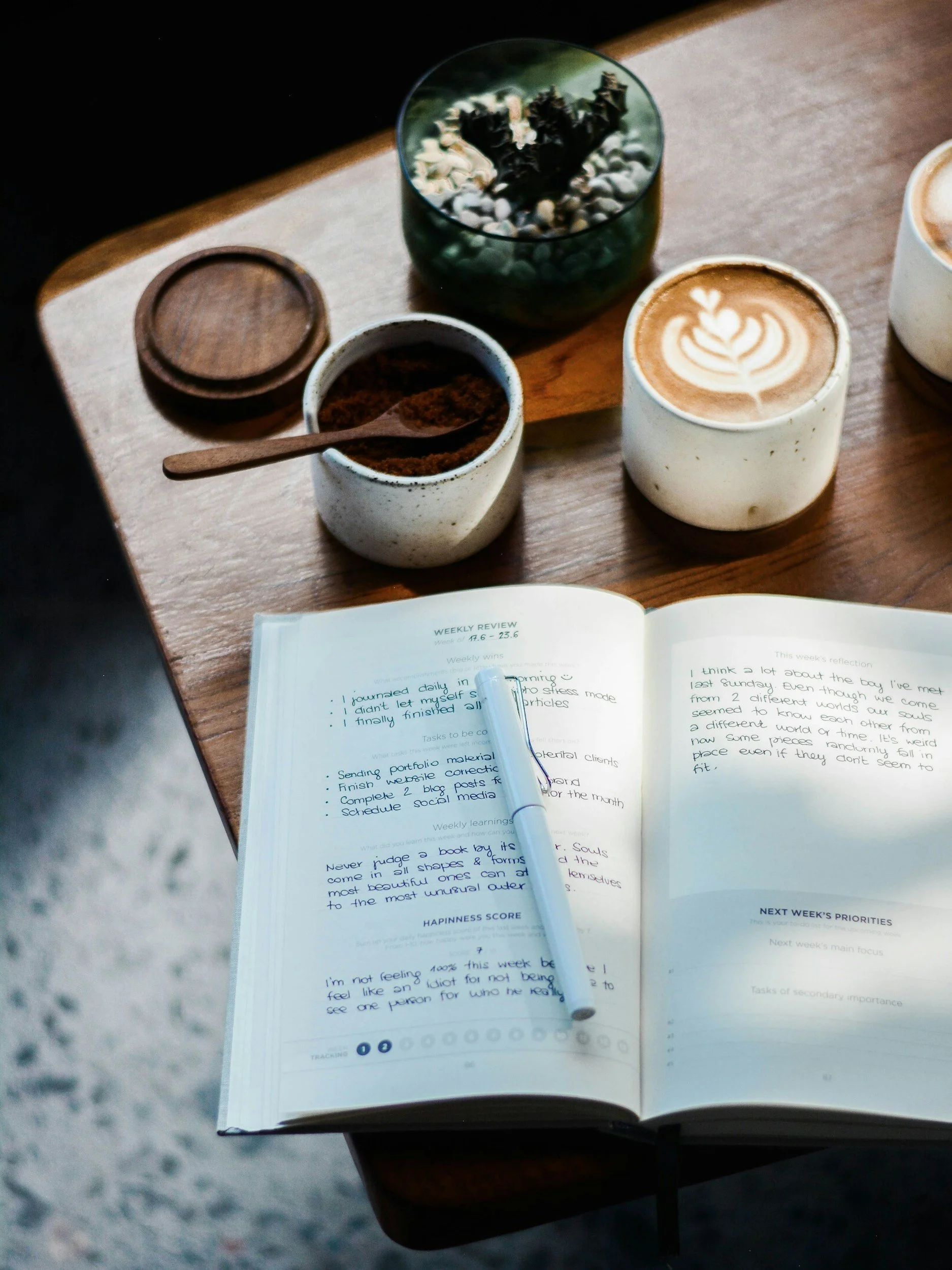
Sometimes your body isn't asking for another solution
This might surprise you.
Your body may not be asking for another supplement.
Or another restrictive eating plan.
Or another wellness trend.
It may simply be asking you to slow down long enough to understand what it's already been trying to communicate.
That shift—from constantly searching for the next answer to becoming curious about your own patterns—is often where clarity begins.
That's one of the reasons I created the Free Frequency Decoder Quiz.
It isn't designed to diagnose what's happening or replace medical care.
Instead, it's a simple way to pause, become curious about what you're experiencing, and start seeing patterns you may not have noticed before.
You don't have to figure this out alone
Trying to connect all of these dots by yourself can feel overwhelming.
Sometimes what you need isn't another opinion.
It's personalized support that helps you slow down and reconnect with yourself.
That's why I offer my FREE 7-Day Personalized Energetic Support Experience.
Using your voice and photo, I create personalized energetic support that's unique to you.
It's designed to fit into your day with just 15 minutes in the morning and 15 minutes in the evening, giving you dedicated time to step away from the constant noise of wellness advice and reconnect with what your body may be communicating.
It isn't about finding a quick fix.
It's about creating space for greater awareness.
🌿 Questions Women Often Ask
Can stress really feel like a hormone problem?
Yes. Chronic stress and hormonal changes can create many of the same symptoms, including fatigue, mood changes, poor sleep, and difficulty concentrating.
That's why it's important not to assume one cause based on a single symptom.
Should I assume it's perimenopause?
Not necessarily. While hormonal changes during perimenopause can affect how you feel, many other factors can contribute to similar symptoms.
If you're concerned, speak with your healthcare provider for an appropriate evaluation.
Should I keep trying different supplements?
Supplements may be appropriate for some people, but constantly adding new ones without understanding why you're taking them can become frustrating and expensive.
Before adding something new, consider whether you're responding to a recommendation—or to what your body may actually need.
🌿 Nadia's Perspective: Stop Guessing. Start Understanding.
One thing I've learned after working with so many women is that they're rarely lacking information.
They're overwhelmed by it.
Every article.
Every podcast.
Every social media post promises the missing piece.
And while information has its place, there comes a point where collecting more advice actually creates more confusion.
I don't believe your body is trying to work against you.
I believe it's communicating the best way it knows how.
Sometimes the most supportive thing we can do isn't search for another answer.
It's pause long enough to notice the patterns we've been too busy to see.
Because when you stop guessing, you create space for something much more valuable.
Understanding.
Ready to Take the Next Step?
If this article resonated with you, I'd love to invite you to start with whichever feels right for you.
If you're still trying to make sense of what you're experiencing, begin with the Free Frequency Decoder Quiz. It's a simple way to explore your current wellness patterns and discover resources that match where you are today.
If you're ready for a more personalized experience, my FREE 7-Day Personalized Energetic Support Experience offers individualized energetic support created using your voice and photo.
All it asks is 15 minutes in the morning and 15 minutes in the evening—a small commitment that creates space to reconnect with yourself in a more intentional way.
Because understanding your body doesn't start with another guess.
It starts with curiosity.